 Morning Sun on Machu Picchu
The route follows the Urubamba River, and Inca terraces and ruins dot both side of the narrow valley. The vegetation changed as we descended into the cloud forest, getting thicker and greener and darker. We saw glimpses of the Inca trail during the early part of the ride. Near Pisacucho, we saw the tents and the hikers and sherpas getting ready for the four day hike to the citadel. We were comfortable in our assigned seats (except that a particularly obnoxious man refused to give up his seat, which in fact belonged to one of us) and enjoyed the ride in. We met Pascual in Aguas Calientes, got rid of our backpacks (we were allowed to bring only 5 kilograms in), and clambered on to the buses for the windy dirt road up to the ruins.


Royal Houses
I hung on to my seat as we switched back and forth and was equally fearful and excited about reaching the top. There were far too many tourists waiting to enter, but once we got through the gate, they dispersed and it did not feel too crowded. The ruins are amazing, remarkably well preserved and incredibly extensive. It looks like a village without roofs. There are four foot high terraces on every side, gardens, a series of temples, staircases, aqueducts, and large and small houses, towering mountains encircling the ruins, and sun shining intensely over the glistening walls. Not a stone appears out of place.
 Gatehouse
From Inca Trail
I could not quite keep a lid on my excitement, as Pascual gave us a little talk about the Incas, about the discovery by Hiram Bingham, and the layout of the site. It is believed the Machu Picchu was a winter retreat built by the Inca Pachacutec in the mid 15 Century. It was hidden and unmentioned until Bingham discovered the city, entirely untouched, in the early 20C.
 Towering Mountains all Around
We had a choice to do the long, medium or short tour, and decided on the middle one with the expectation to return and explore some more in the afternoon. A large grassy square occupies the middle of the ruins, with the sacred temples on one side and the secular/working area on the other. There continue to be working fountains (most likely ceremonial) throughout the structures, with aqueducts still bringing water from above. The Temple of the Sun is prominent because it is built in the round, and has windows facing the sunrise both for the winter and the summer solstice (during sunrise in the June solstice, the sun's rays shine through the window and illuminate the tower). The top floor of the temple appears to have been a solar observatory, and the foundations of the building consist of a massive stone of several hundred tons, which has been carved into an altar with niches and steps. All of Machu Micchu is built on a rocky mountain and many of the buildings rise up as if part of the mountain themselves. A quarry full of carved and uncarved stones lies nearby, and evidence of rock splitting remains.
 Huayna Picchu
 Hitching Post of the Sun
 Pillow Stones
The Incas revered the sun, moon, earth and water, and this is evident in the layout of the city, and the use of materials, the direction of the windows and the stairs, and the ceremonial altars and fountains. The 'Intihuatana' of 'Hitching Post of the Sun' is a massive rock whose shape mimics that of Huayna Picchu, the mountain in the background, and appears to be aligned with the major peaks all around. There is evidence of astronomical markings on the surface of the stone, likely used to make observations of the heavens and follow the seasons. There are other temples made with perfectly fitted 'pillow' stones, with carefully placed windows framing the surrounding mountains, always attentive to the rise of the sun.


 Temple of the Sun
 Temple Built out of the Rock
 Sacred Rooms
Another sacred rock lies on its side at the entrance to the hike up Huayna Picchu, again echoing the form of the mountain. The secular area of the site is equally interesting. The stones are smaller, the rooms often larger (they were used as spaces for workers in textiles and ceramics), but still carefully designed and oriented. It is in the secular area that the Temple of the Condor is found, with a flat rock appearing to represent the head and the neck of the condor and massive upright boulders as the wings.
 Condor Beak
 Maya Checking out Chinchilla
 Chinchilla
Maya and Eric were scampering all over the ruins. I held onto every word of our guide, trying to imagine how this place looked during the time of the Incas. I asked about artifacts and mummies (the Incas revered mummies and many of the niches in the temples were designed to hold idols and mummies). The Spaniards and the church made it a point to burn all the mummies to prevent idolatry and to melt down the gold and silver figures to send back to Spain. Bingham apparently took everything to Yale to study, and nothing was ever returned.
We took a break for lunch at the Sanctuary Lodge, which was overrun with tourists and therefore unpleasant, after which Maya, Sherry and Jeff took the bus back to Aguas Calientes and Eric and I continued with Pascual to explore some more. I wanted to walk up the Inca trail to the Sungate and the Inca Bridge, and spend more time walking around the ruins, and Eric joined me. As we hiked toward the 'Inti Punko', we passed many trekkers on the last leg of their four day walk along the Inca Trail. They looked dirty, dry, and exhausted, and thrilled with the sun slowly retreating over the ruins as the afternoon progressed. The sungate was much further than expected (along the side of the mountain called Machu Picchu), and when we arrived the sun was setting and the light had changed so that with Huayna Picchu looming behind the grey stone structures, they looked magical and other worldly. We walked back along the Inca trail, where once the Inca leader entered on his litter. We lingered above the temples and the city spread out before us. It was too late to walk to the Inca bridge.
 Toward Sungate
 From Inca Trail
 View From Sungate
 Switchbacks to Aguas Calientes
 Sun Going Down
 Royal Quarters
There were cameramen setting up equipment in anticipation of a chess game tomorrow between a Russian and Peruvian champion. The llamas came crowding around us, such odd creatures, and very territorial. I was determined to return tomorrow morning to watch the sun rise over the ruins. It was difficult to leave the site, I was in such awe and so eager to see every square inch of the place.
 Communing With Sacred Stone
 Sun Going Down
 Baby Llama
Leaving Machu Picchu
We were the last to leave. It was dark when we arrived in Aguas Calientes. Pascual led us to the only ATM in town, which was not working, and then to the only office where we could buy a ticket for our morning return to watch the sun rise over Machu Picchu. No credit cards or dollars were accepted, so we HAD to get 'soles' to buy our tickets. I expected that we would find a way to get cash later, so we joined the family for dinner at our hotel. I am enjoying Peruvian cuisine, and had chicken smothered in a blue corn sauce, which was excellent. I sent Eric out again to check the ATM machine and to make sure that the ticket office would be open at 5 AM so we could get to the ruins for sunrise.

Sunset


 Outcrop Temple Being Excavated
 View From Puca Pucara
 Another View from the Fort
 Walls at Fort
 View From Afar
 Indigenous Woman Outside of Tambomachay
 Red Fort From Tambomachay
 Ceremonial Fountains
 Children on the High Altar
 Grass Moving
 Boy's Bathroom
 Snow Capped Peaks in Distance
 Urubamba River Valley
 Pisaq Ruins
 Town of Pisaq
 Building Church in Pisaq
 Pisaq Entrance
 Textiles for Sale
 Chapel at the Posada
 Inca Door
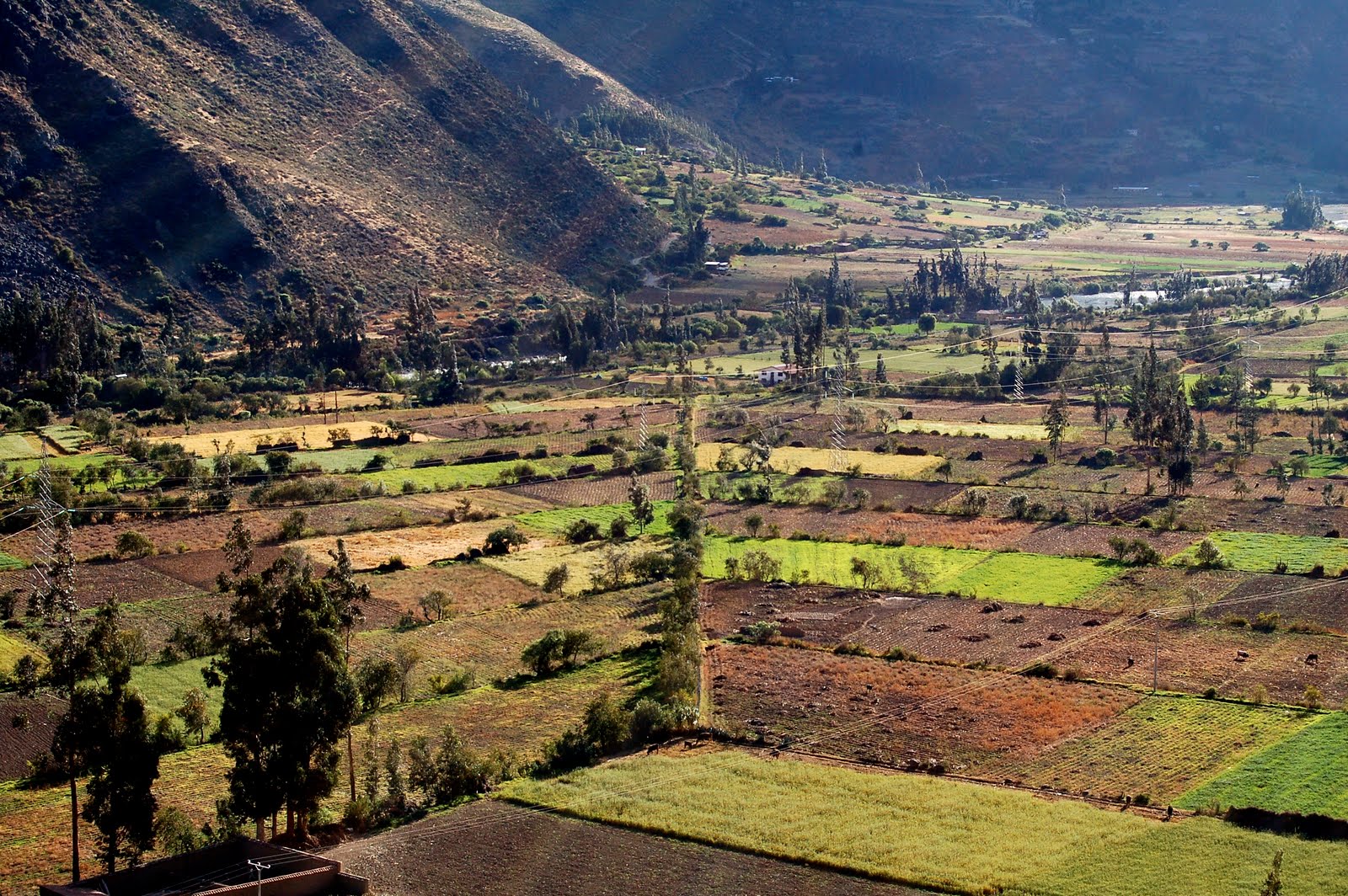 Fields Around Ollantaytambo
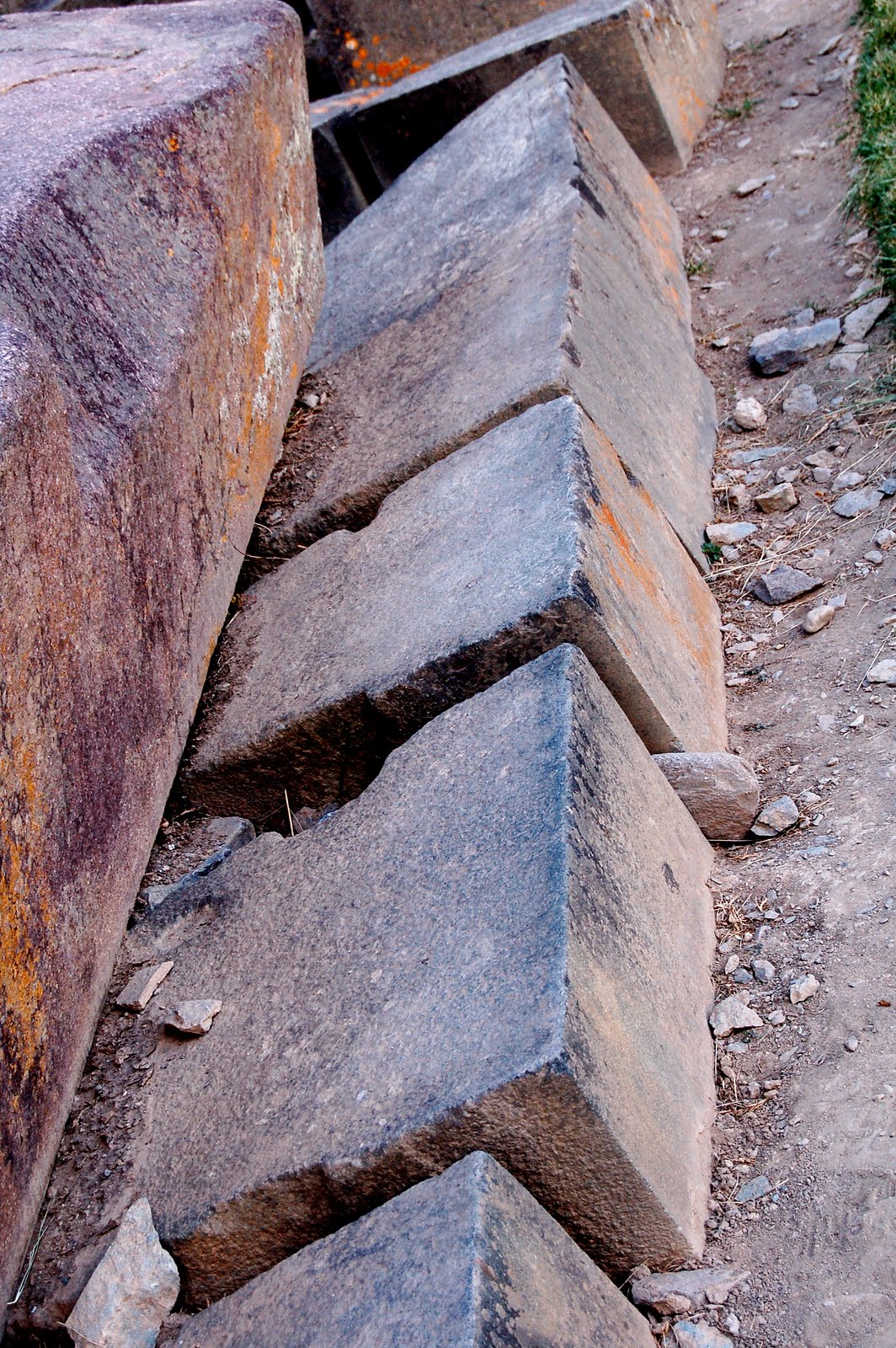 Tiwanaku Stones
 Ollantaytambo Walls
 Inca Palace

 Temple Walls
 Granaries

 Town in the Valley
 Ceremonial Fountain
 Inca Palace
 Irrigation System
 Terraces
